How does engaging with luxury goods companies compare with other industries?
Paradoxically, the luxury companies are incredibly hesitant to disclose information yet grateful for any discreet help we can offer.
Imagine that a chocolate company teams with a not-for-profit group to confirm there are no children harvesting cocoa beans on their suppliers’ farms. Chocolate consumers would probably applaud, with benefits to the brand image. Now consider how customers might react to a luxury goods company doing the same thing -- just trying to confirm that their supply chain is ‘clean’. The reaction from a customer would likely be, ‘you mean you don’t already know?’
Are their suppliers all that different?
While each industry and each company have specific differences, there are a couple of things to think about. Although not unique to luxury goods, the total number of suppliers can be quite large. We spoke with one luxury company which has over 2,000 suppliers of raw materials to certify and monitor. In many cases, luxury goods only have visibility into the first tier of suppliers, again not unique but the image risk is enormous. And in at least one instance, that first-tier supplier made a false representation and it was revealed in the press that this supplier’s suppliers were using child labour.
Can technology help?
Yes! Blockchain solutions can be used to track materials. For example, a bale of cotton harvested from a certified farm can be issued a label, or ‘Bale ID’, which can be scanned and tracked all the way through the chain.
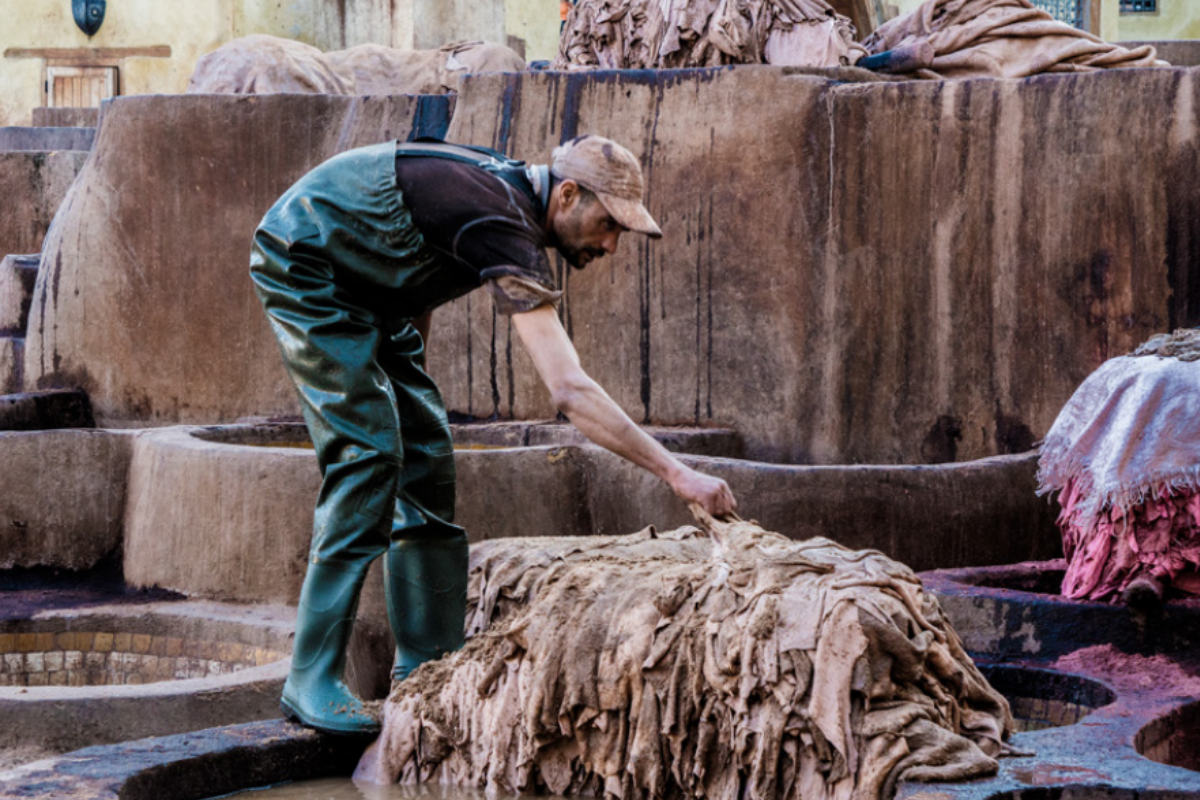
Stable Isotope Testing is another interesting technology. By testing organic product, such as vegetable, meat, leather, wool, or cotton, it can recognise its local climate, water and soil and thus determine very precisely its provenance. But there are some limitations: for example, some bales of cotton from different regions can be combined, or there are residual fibres left in processing equipment, the results can be muddied.
Are there any concrete engagements you can share today?
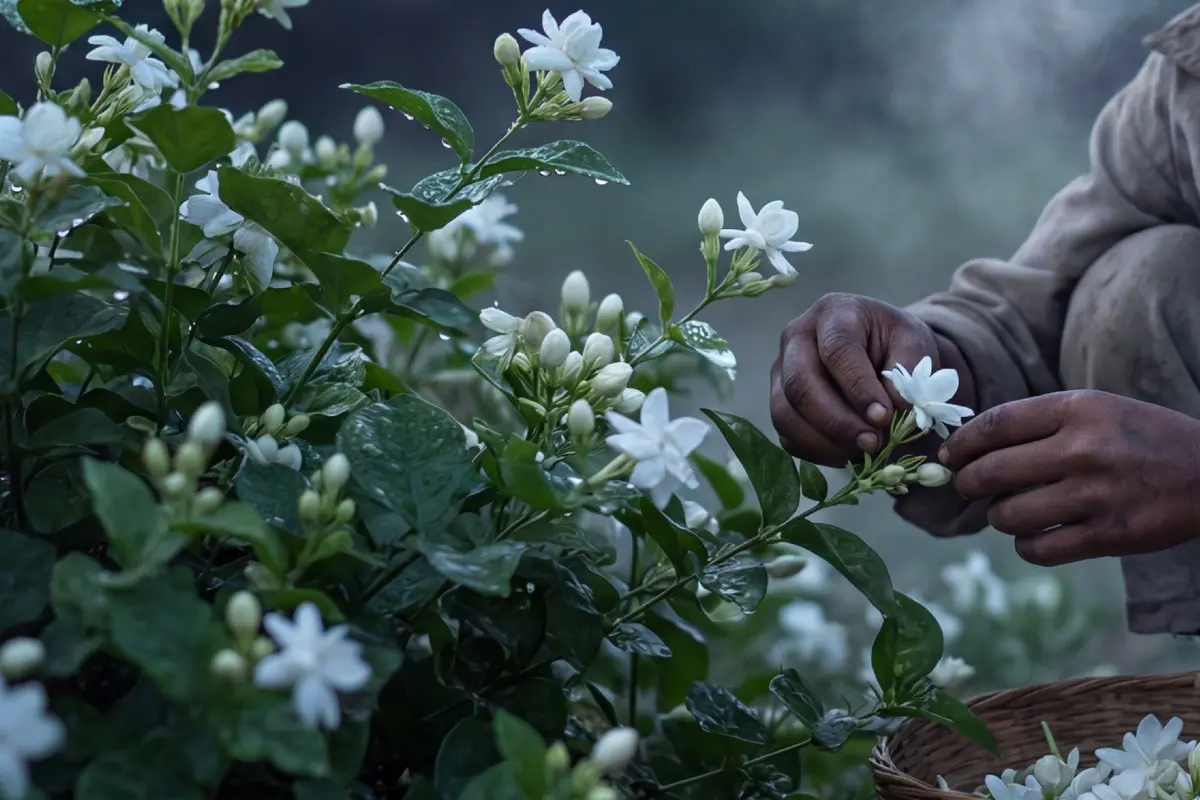
The engagement effort we did looking into the jasmine supply engagement is paying off. The harvesting of raw materials for perfume, such as jasmine and rose flowers, often includes child labour. This human rights topic was publicised in a BBC documentary, a nightmare for brand image and shareholder value.[1] Child labour in ingredients is difficult to identify, much less control, as 60% of all child labour occurs in agriculture.[2] Jasmine flowers must be picked at night or very early morning (think 3 am). With piece-rate pay in migrant or remote communities, child labour is attractive to use and difficult to detect.
The non-profit Fair Labor Association introduced us and other asset managers to key contacts such as purchasing and human rights managers in ten global perfume and cosmetic companies and their Tier 1 suppliers. We organized a workshop to voice our concerns as investors, which led to a constructive dialogue among all participants on the challenges and possibilities. We followed up with letters to senior managements, explaining what we expected as investors. In two instances, this has delivered tangible outcomes. One cosmetic company is expanding its human rights impact assessment programs to more high-risk materials, while another is strengthening its supplier code of conduct and supplier auditing program.
This experience has been a success so along with the FLA and another asset manager we have decided to launch a pilot initiative to continue engaging luxury brands, but also expanding to apparel and footwear brands.
What should be our take-away?
Pulling back the curtain on the mystique of luxury goods can spoil the illusion. ‘Transparency’ is not how these brand images have been built, and is contrary to the mindset and culture of these companies. So investment managers need to find the right approach to engaging, and incorporate other stakeholders diplomatically.
We feel that using the expertise and contacts of a strong NGO, while applying a high degree of confidentiality will yield tangible outcomes that will improve these brands performance in terms of supply chain risk.
[1] 2 June 2024. BBC World Service - The Documentary, Perfume’s dark secret. Accessed 29 January, 2026.
[2] Child labour in agriculture | International Labour Organization. Accessed 29 January, 2026