Why AI matters to you as a responsible investor
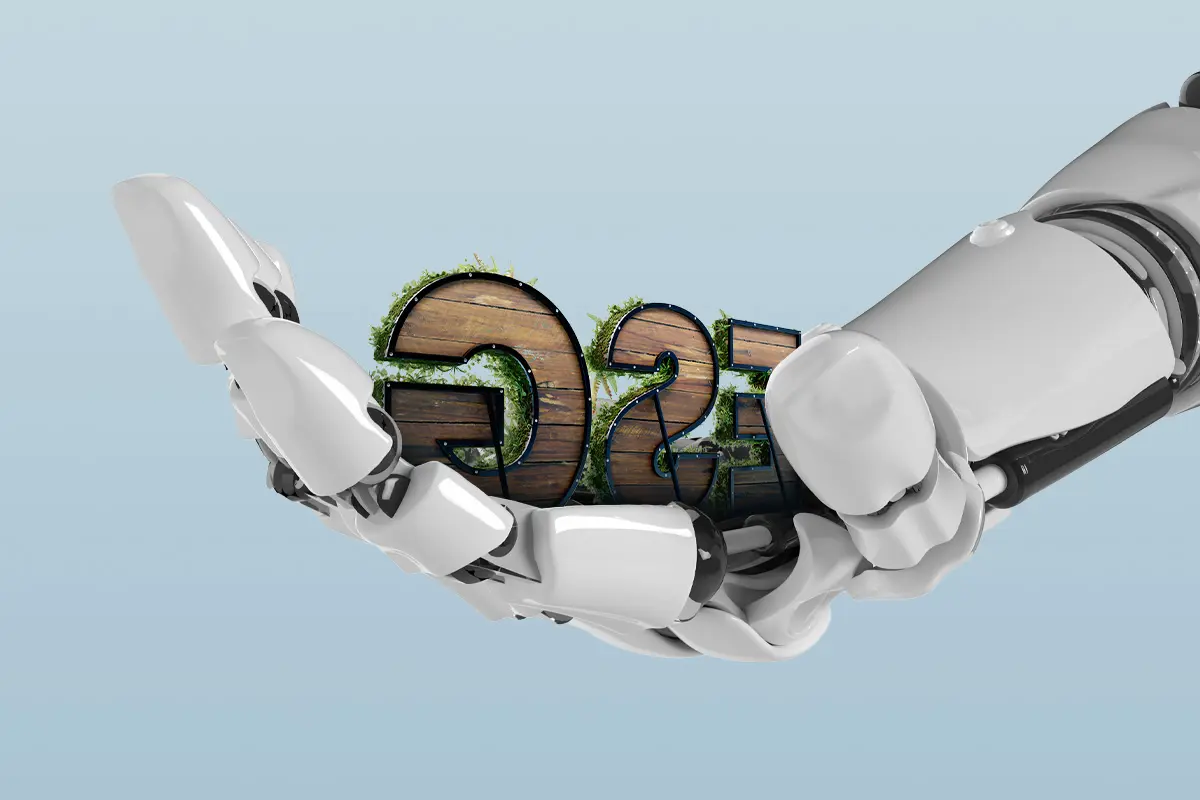
Artificial Intelligence (AI) is transforming how businesses operate — and how we live. It is everywhere, from personalised product recommendations to disease diagnosis. But with great power comes responsibility. Beyond creating new business models, AI can disrupt jobs and industries and raise serious environmental and ethical concerns. AI will be a significant part of future economic growth, but it must be developed responsibly to avoid long-term risks — both for the society at large, and your portfolio.
Fast Growth, Fast Adoption
AI adoption has been swift: over 75% of companies use AI, and OpenAI reported over 500 million weekly users in early 2025 according to CNBC. Governments are pouring money to fuel its growth – e.g. the US’s $500 billion Stargate Initiative and Europe’s €200 billion AI plan. Meanwhile, tech giants like Microsoft, Amazon, and Nvidia are investing heavily in AI servers and infrastructure.
AI for Good
AI is not only a driver of financial growth—it is also becoming a key tool to tackle some of the world’s biggest environmental and social challenges.
On the one hand, AI provides solutions addressing environmental sustainability, by managing energy grids more efficiently, reducing waste, and forecasting pollution. It can provide farmers with adaptative strategies based on climate, soil, and crop data to enhance yield stability. It can also increase the reliability of clean energy like solar and wind, by predicting the availability of power.
On the second hand, AI can support social challenges with its applications in healthcare (disease detection, personalised treatments, drug discovery), education (personalised learning platforms, real-time feedback), and financial inclusion (alternative credit scoring) – thereby supporting the UN Sustainable Development Goals (UN SDGs) in may use cases.
The Bad, and the Ugly?
AI is changing the world by improving supply chains and customer service, and driving innovation. But its rapid rise also brings major environmental and social challenges that, if not managed, can develop into financial risks.
Training large AI models requires enormous electricity and data centers could more than double their electricity demand within five years – with impacts on costs and carbon emissions. Companies that ignore this may face backlash or regulatory penalties.